
video poker casino — what you need to know 2026
video poker casino requires a blend of patience, aggression, and psychological insight. The latest development in video poker strategy is providing players with a new perspective on hand analysis.
See also:
- Unlock Big Wins with video poker strategy: A Beginner’s Guide
- Tips for Maximising video poker strategy
- Understanding video poker casino Bonus Offers and Wagering
- Visualising Your video poker casino Experience
- Video Poker RTP Percentages for UK Players
- Why Use video poker hands for Your Next Game?
- Common mistakes with video poker slots.
- Time Management When Playing Online Poker
Unlock Big Wins with video poker strategy: A Beginner’s Guide
video poker casino remains ane of the most skilful and strategic variants in the casino world, where success hinges on reading opponents and managing risk rather than relying on hazard alone. Whether played in tournaments or cash games, the discipline required to master video poker hands and bluff effectively sets poker apart from other table games. As 2026 unfolds, interest in live and online poker continues to grow, attracting players who enjoy the psychological depth and long-term edge that come with experience. In live settings, the subtle tells—a slight vellication, a nervous breathing place, or a confident microchip mix—become critical data points that skilled players decode to gain an advantage. Online, the absence of physical cues is replaced by betting patterns, timing tells, and statistical analysis, requiring a different but equally demanding skill set. The best players study hand histories for hours, identifying leaks in their own game and exploiting those of others. Bankroll management is another cornerstone, as yet the most talented player can go broke without proper discipline, scope aside cash in hand for downswings and avoiding tilt after bad beats. In no-limit hold’em, the most popular variant, decisions at every street involve complex calculations of pot odds, implied odds, and fold equity, often executed under intense pressure level. Tournament play adds another layer, with screen structures forcing aggressive adjustments and ICM considerations affecting every all-in. Hard cash games, meanwhile, reward patience and deep-stack strategy, where position and hand selection become paramount. The rise of mixed games similar Omaha, Stud, and Razz has further diversified the landscape, intriguing players to expand their expertise beyond a single subject area. Online platforms now offer solvers and training tools that accelerate learning, but they also level the playing field, making it harder for recreational players to benefit. Live poker rooms, from Las Vegas to Macau, continue to host high-stakes games where millions change hands, drawing celebrities and professionals alike. The World Series of Poker remains the pinnacle, with its Main Event attracting thousands and offering life-changing sums. Beyond the money, poker fosters a community of thinkers who share a passion for strategy and contention. For beginners, starting with micro-stakes games and studying basic concepts like starting hand charts and position is essential. Advanced players delve into product theory optimal (GTO) strategies, balancing bluffs and value bets to remain unexploitable. The psychological aspect is simply as crucial: maintaining a calm demeanor after a risky bunk, projecting confidence with a weak hand, and knowing when to fold a strong helping hand against a tighter opponent. As technology evolves, virtual reality poker rooms may soon offer immersive experiences that blend live and online elements. Meanwhile, regulation changes in various countries keep to shape the securities industry, with some jurisdictions legalizing online poker to generate tax revenue. The future tense of poker looks bright, with fresh generations discovering the game through streaming platforms and social media influencers. Ultimately, poker’s enduring charm lies in its infinite complexity—no two hands are exactly alike, and there is always more to grasp. Whether you are a casual customer or an aspiring professional, the journey to mastery is a rewarding one, filled with challenges, camaraderie, and the thrill of outsmarting opponents. As the game evolves, so too must its players, adapting to new strategies and technologies to maintain their edge. The field of video poker slots and bluffing remains at the core, but the modern poker player must also understand chain of mountains twist, board texture, and opponent tendencies.
Tips for Maximising video poker strategy
Understanding Hand Rankings and Starting Hands
Before diving into the thomas more composite aspects of online poker, it is essential to have a firm grasp of hand rankings, as this forms the foundation of all poker variants. The measure hierarchy, from highest to lowest, begins with the royal flush (ace, king, queen, jack, ten of the same suit), followed by a straight flush, four of a form, full house, gush, straight, ternary of a kind, two pair, one pair, and finally the premium card. Beginners often find it helpful to memorise this order before playing, as it dictates the strength of your hand in every fill out. Equally important is understanding which starting hands are worth playing. In Texas Hold’em, for instance, premium hands like pocket aces, kings, queens, and ace-king suited are strong and should be raised pre-flop. Conversely, weak hands such as 2-7 offsuit or 3-8 offsuit are best folded to steer clear of costly mistakes. Position at the table game also plays a crucial role; being in late position allows you to see how opponents act before you make a decision, giving you a strategic vantage. By combining knowledge of hand rankings with smart starting hand selection, you can significantly improve your chances of winning, whether you are playing in a hard cash game or a contest.
Cash Games vs Tournaments: Key Differences
When exploring online poker, you will quickly encounter two primary formats: cash games and tournaments. Immediate payment games, often called ring games, involve playing with cash money chips that have actual cash value. You can join or let alone a cash game at any time, and blinds remain fixed, making the pace consistent. This format suits players who prefer a becalm, low-risk approach where bankroll management is straightforward. In contrast, tournaments require a frozen buy-in and involve a set number of players competing for a award pool that grows as sir thomas more players register. The blinds improve at regular intervals, forcing action and eventually eliminating players until one remains. Tournaments give the allurement of large payouts for a small entry fee, but they demand patience and adaptability due to the escalating blind structure. Sit-and-go tournaments are smaller, usually with 6 to 9 players, and start as before long as the table game is replete. Multi-table tournaments, or MTTS, can have hundreds or even thousands of participants, with late enrollment allowing players to join after the begin. Understanding these differences is crucial for choosing the formatting that aligns with your playing style and goals.
best btc casino 2026 — best btc casino sites
Variants of Poker and Video Poker Options
While Texas Hold’em dominates the online poker landscape, other variants offer unique challenges and opportunities. Omaha is similar to Hold’em but with four hole cards instead of two, and players must use exactly two of them along with three community cards to make a hand. This leads to more action and bigger pots, as hands are in general stronger. Omaha Hi-Lo splits the dope between the best excellent hand and the best lowest hand, adding another layer of strategy.
Understanding video poker casino Bonus Offers and Wagering
- 50 free spins no wagering
- 15% + 50 free spins
- 30x rollover
- 40x playthrough in 21 days
Visualising Your video poker casino Experience
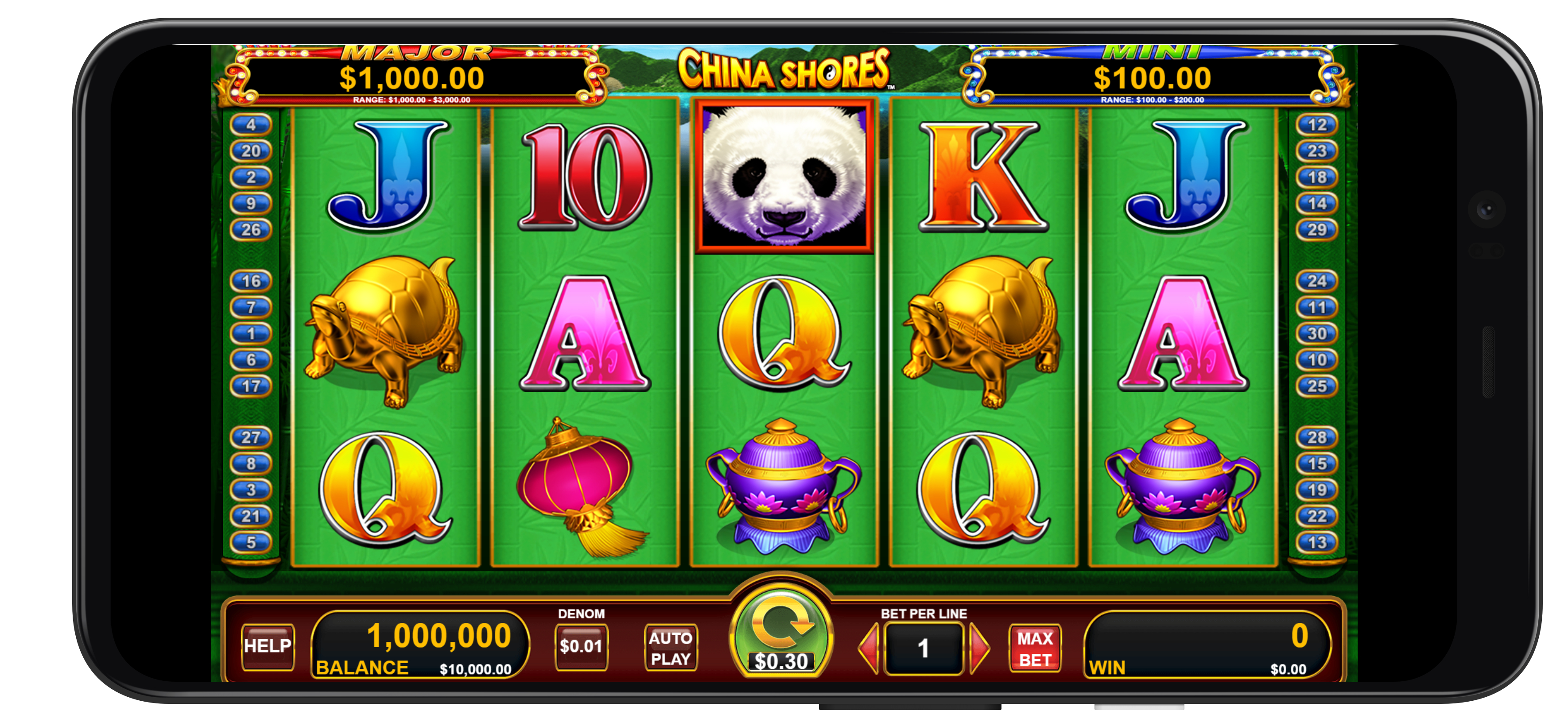
Video Poker RTP Percentages for UK Players
| Name | Biggest win | RTP | Year | Provider |
|---|---|---|---|---|
| Mega Spin Saga | £892,500 | 94.5% | 2019 | Microgaming |
| Dragon’s Hoard | £534,000 | 95.8% | 2020 | Play’n GO |
| Thunderstruck Legacy | £1,580,000 | 96.8% | 2025 | Microgaming |
| Golden Galleons | £1,240,000 | 97.1% | 2024 | Pragmatic Play |
| Fruit Fiesta Deluxe | £45,600 | 93.2% | 2018 | NetEnt |
Why Use video poker hands for Your Next Game?
Understanding Online Poker Basics
- Digital poker is played on digital platforms where actual money or play money is wagered, and the rules mirror traditional poker. Beginners should get going with free tables to learn hand rankings, betting rounds, and felt spot. The five-card hand rankings, from Royal Flush to High Card, are selfsame to real-time poker. Key beginner concepts include checking, calling, raising, and folding, as well as locoweed odds and implied odds for strategic betting. For example, pot odds assist you decide whether to call a bet by comparing the current pot size to the cost of the call, while implied odds factor in potential future bets if you hit your draw. Understanding table position is crucial: playing later in the betting order gives you more information about opponents’ hands, making positions like the button and cutoff highly advantageous. Beginners should also learn near starting hand selection, focusing on strong hands the likes of high pairs and suited connectors from early positions, and widening their range in later positions. Another fundamental conception is bluffing, which should be used sparingly against observant opponents. Additionally, mastering the concept of continuation betting—where the pre-flop raiser bets on the dud irrespective of whether they hit—can apply pressure and win pots without a strong hand. Discernment pile sizes and their impact on strategy is also vital; short stacks require a tighter range, while deep stacks permit for more speculative plays. Finally, beginners should practice budget management, never risking more than 5% of their bankroll in a single session, and use tools same hand history reviews to identify leaks in their game.
When evaluating video poker casino, always check the wagering requirements.
Common mistakes with video poker slots.
What is the difference between a poker tournament and a cash game?
In a tournament, players buy in for a fixed amount and vie until one gambler wins all chips, with prizes awarded based on finishing place. In a cash product, chips represent actual money, and you can join or leave at any time, with each deal played for real stakes.
How do virtual poker rooms work?
Online poker rooms are digital platforms where players join to play poker over the internet. They offer various game formats, manage player finances, and use random number generators to ensure fair dealing.
What are the introductory hand rankings in poker?
From highest to lowest: Royal Flush, Straight Flush, Four of a Kind, Full House, Flush, Straight, Three of a Kind, Two Pair, One Pair, and High Card. Memorising these is essential for beginners.
What is video poker and how is it different from live poker?
Video poker is a single-player electronic product that blends slot machine mechanics with poker hand rankings. Unlike interactive poker, you play against the machine, not other players, and the outcome is based on a random draw.
What should a beginner know before starting online poker?
Beginners should understand hand rankings, introductory betting rules, and the differences between formats like hard cash games and tournaments. It’s wise to start with low-stakes games to learn strategy without risking much money.
Time Management When Playing Online Poker
Gambling is for adults aged 18 and over. Please gamble responsibly. All UK-licensed online casinos are regulated by the Gambling Commission (UKGC). You can mark deposit limits and time-outs, and use the national self-exclusion scheme GAMSTOP to take a break from all UK sites. Think back, gambling should be for entertainment, not a way to make money or chase losses. If you want support, contact GamCare or BeGambleAware on the National Gambling Helpline at 0808 8020 133.